My Activity Tracking
My tracker shows my steps for the 8 days of the challenge from 26th March to 2nd April. My goal progression shows all my steps including any I have done outside of the challenge days.
My Target: 80000 Steps

Day 1
Day 2
Day 3
Day 4
Day 5
Day 6
Day 7
Day 8

Total

Goal Progression
Steps walked so far:
0 steps
My Target:
80,000 steps
0
I'm walking 10,000 steps a day for Autism Initiatives
I'll be walking 10,000 steps a day from 26th March to 2nd April to raise money for this fantastic charity. Please sponsor me.
Any donation big or small is greatly appreciated 😊
My achievements

Added profile picture

Shared page
First donation received
Raised £20 t-shirt is on its way
50% fundraising target
100% fundraising target

Challenge completed
My updates
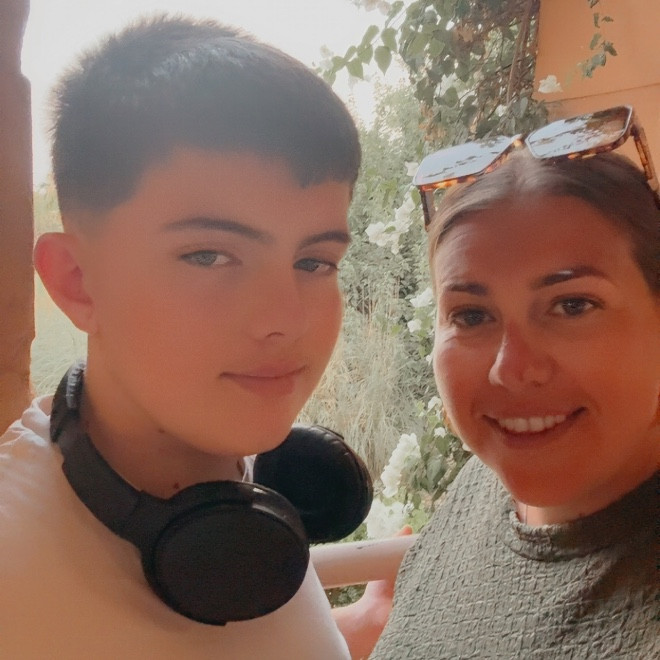
Our Autism Journey: A Mother’s Story
Monday 19th JanOf course. Here’s a warm, honest blog post you can use as-is or adapt to sound exactly like you. It’s written to be relatable, reflective, and respectful of your son’s privacy.
I’m a mum to a 13-year-old boy, and this is our autism journey.
It’s not a story of tragedy or inspiration. It’s a story of learning, unlearning, advocating, loving fiercely, and growing alongside my child in ways I never expected.
When my son was younger, I knew something was different—but “different” is a hard thing to explain, and even harder to be heard about. He was bright, funny, deeply curious, and sensitive in ways that didn’t always fit neatly into the world around him. Some days felt manageable; others felt overwhelming. I spent a long time questioning myself, wondering if I was overreacting, if I was missing something obvious, or if I just needed to try harder.
Getting an autism diagnosis wasn’t a single moment—it was a process. A long one. One filled with appointments, assessments, waiting lists, and moments of doubt. But when the diagnosis finally came, it wasn’t a label that changed who my son was. It was a key. A way to understand him better, and to finally have language for things we had been living with quietly for years.
Autism isn’t one thing, and it certainly isn’t the same for every child. For my son, it means he experiences the world intensely. Sounds can feel louder, emotions bigger, expectations heavier. It means social situations can be exhausting, change can be frightening, and being misunderstood can hurt deeply. But it also means he sees patterns others miss, feels things profoundly, and has a way of thinking that is uniquely his own.
As a parent, I’ve had to learn to slow down and listen differently. I’ve had to advocate—sometimes gently, sometimes loudly—in schools, appointments, and everyday situations. I’ve had to let go of the idea of a “typical” childhood and replace it with one that actually works for him. That hasn’t always been easy. There have been days filled with worry, frustration, and exhaustion. Days where I’ve felt like I was failing him, or fighting a system that wasn’t built with children like mine in mind.
But there have also been moments of incredible pride. Watching my son navigate a world that doesn’t always understand him takes courage. Seeing him grow in confidence, express himself, and find his own ways to cope reminds me daily how strong he is. Autism is part of him—but it does not define his worth, his potential, or his future.
One of the biggest lessons this journey has taught me is that acceptance matters more than “fixing.” My son doesn’t need to be changed to fit the world; the world needs to make more room for children like him. He needs patience, understanding, and support—not judgment or comparison.
To other parents walking a similar path: you are not alone. Your worries are valid. Your exhaustion is real. And your child is not broken. Trust your instincts, ask questions, and don’t be afraid to push for what your child needs—even when it’s uncomfortable.
This journey is ongoing. We’re still learning, still adapting, still growing together. Autism didn’t take anything away from my son—it helped us understand him better. And for that, I am grateful.
This is our story. And it’s still being written.
Share